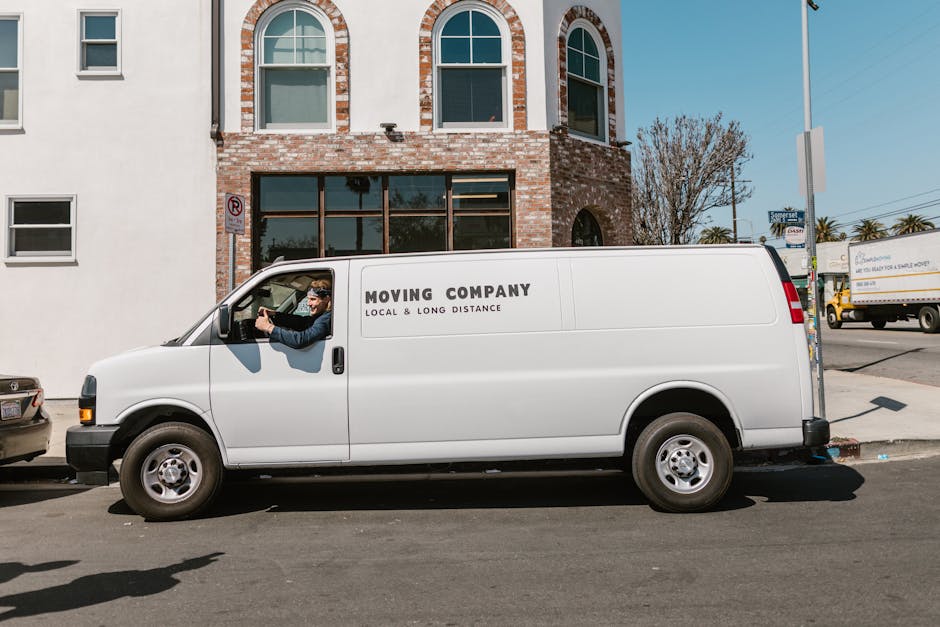
White City man with van guide for narrow stair and lift moves
If you are trying to move in White City and the building has a tight staircase, a small lift, awkward corners, or all three at once, you already know the problem: a normal move can turn into a slow, sweaty puzzle very quickly. This White City man with van guide for narrow stair and lift moves is here to make that puzzle easier. It explains what a practical move looks like in real life, how a careful team handles narrow access, and what you should do before the van even arrives. Truth be told, a little planning saves a lot of swearing.
Whether you are moving a flat above a parade of shops, a top-floor apartment, or an office with a temperamental lift, the aim is the same: protect the property, protect the items, and keep the day moving. You will find step-by-step guidance, a realistic comparison of options, common mistakes to avoid, and a checklist you can actually use. If you want a fuller picture of the wider service, it also helps to read about man with van moving support, home moves, and the wider removal services available locally.
Table of Contents
- Why White City man with van guide for narrow stair and lift moves matters
- How the move works in practice
- Key benefits and practical advantages
- Who this is for and when it makes sense
- Step-by-step guidance
- Expert tips for better results
- Common mistakes to avoid
- Tools, resources and recommendations
- Law, compliance, standards, or best practice
- Options, methods, or comparison table
- Case study or real-world example
- Practical checklist
- Conclusion
- Frequently asked questions
Why White City man with van guide for narrow stair and lift moves Matters
Narrow stairs and compact lifts change the whole shape of a move. What looks like a standard furniture collection can become a careful, one-item-at-a-time operation. In White City, where you can see a mix of apartment blocks, converted spaces, and busy shared entrances, access issues are not unusual. They are part of the job.
Why does this matter so much? Because the wrong approach risks damage, delays, and stress for everyone. A sofa can snag on a stair turn. A wardrobe can be too tall for the lift. A fridge can fit on paper and still fail in the real world because the lift door opens at the wrong angle. And once you are standing there, item half in, half out, things get awkward fast.
A good man and van move is not just about having a vehicle. It is about reading the space, choosing the right loading method, and knowing when to dismantle, carry, or pause. That mix of judgement and practical handling is what keeps the move safe. If you need a broader understanding of provider standards, the company's health and safety policy and insurance and safety information are useful places to start.
Expert summary: The best narrow-access move is rarely the fastest-looking one. It is the one that is thought through before lifting starts, with measurements, protection, and a plan B already in place.
How White City man with van guide for narrow stair and lift moves Works
A narrow stair or lift move usually follows a simple principle: reduce risk before the first heavy item leaves the property. That means checking access, planning the route, and deciding which items should be moved whole and which should be broken down. No drama, just a clean process.
In practice, a typical move might look like this:
- Pre-move assessment: You share details about the building, floor level, lift size, stair width, parking access, and any awkward items.
- Route planning: The mover decides whether to use the lift, stairs, or a mixture of both, and whether large items need dismantling.
- Protection setup: Floor runners, blankets, straps, and covers help reduce scuffs and knocks.
- Careful loading: Items are carried in a controlled way, often with two people for awkward or valuable furniture.
- Building-friendly movement: Corners, doors, and lift thresholds are handled slowly, with communication at each step.
- Final placement: Furniture is unloaded in the right rooms, not just dropped at the nearest doorway. A small thing, but it matters.
The real skill is in adjusting on the day. Perhaps the lift is smaller than expected. Maybe a landlord has asked for protection on the hallway walls. Maybe the weather is wet and the entrance mat is slippery. A good mover adapts. That flexibility is often worth more than brute strength.
If you are comparing move types, it can help to look at man and van removals, man with a van, and broader movers support to see how each approach fits different access conditions.
Key Benefits and Practical Advantages
Narrow access does not automatically mean a difficult move. With the right preparation, it can still be efficient and calm. In fact, some of the best-planned moves I have seen were in buildings with a nightmare staircase, because everyone knew the constraints upfront and worked around them.
- Less damage risk: Protective handling lowers the chance of chipped paint, scratched bannisters, and dented furniture.
- Better timing: A clear access plan reduces wasted minutes at the lift or on the landing.
- Lower stress: When everyone knows what is happening, the day feels much less chaotic.
- Safer lifting: Proper handling helps prevent awkward carrying positions and avoidable strain.
- More efficient use of labour: The team can focus on the right tasks instead of improvising all the time.
- Cleaner finish: Floors, walls, and door frames are more likely to stay in the same condition they started in.
There is also a practical money angle, though it is best handled carefully. A planned move often avoids extra return trips, avoidable delays, and last-minute adjustments. If you want a sense of how quotes are put together, the pricing and quotes page can help set expectations.
And yes, sometimes the best advantage is simply that the move gets done without anyone having to take apart the entire day and rebuild it from scratch. Which, to be fair, is what most people want.
Who This Is For and When It Makes Sense
This kind of move is useful for a lot of people, not just those in top-floor flats. If you are dealing with limited access, stairs with a turn, or a lift that is just a bit too small for your furniture, this is your lane.
It makes sense if you are:
- moving into or out of a flat with a narrow staircase
- living in a building where the lift is small, busy, or unreliable
- relocating a few bulky items rather than a full house
- moving student furniture, rental contents, or starter-home pieces
- upgrading office equipment in a building with restricted access
- handling a same-day move where speed still matters, but safety matters more
It also makes sense when you are not sure whether the lift will actually help. That sounds odd, but it happens often. A lift can be technically available and still not be the easiest route because of weight limits, awkward door openings, or a tight turning angle once you arrive at the floor. Sometimes the stairs are slow, yes, but straighter. Less faff.
For business moves, a narrow-access plan may sit alongside commercial moves or office removals, especially if desks, screens, and filing units need careful handling through shared building areas.
Step-by-Step Guidance
If you want the move to feel manageable, follow a process. Not a perfect process. Just a sensible one.
1. Measure the awkward bits before moving day
Measure the width of the staircase, the tightest landing corner, the lift door opening, and the internal lift depth if you can. Also check the height of large items. A few centimetres can change everything. In real life, that armchair that seemed fine in the living room can suddenly behave like a stubborn farm animal in the hallway.
2. Identify the problem items early
List the items most likely to cause trouble: wardrobes, beds, sofas, white goods, mirrors, large plants, and anything glass. These are the bits that usually need extra hands, extra padding, or dismantling.
3. Decide whether dismantling is worthwhile
Some furniture is much easier to move once taken apart. Flat-pack items often travel well if screws, fittings, and panels are bagged and labelled. But not every item should be dismantled. A wobbly item can become even trickier if taken apart badly. If you are unsure, ask for advice before you start unscrewing things in a panic at 8:10 in the morning.
4. Protect the building
Use covers, blankets, and floor protection where needed. Shared hallways and lifts often need extra care because they are used by neighbours too. A respectful move makes life easier for everyone in the building, and it reduces awkward conversations later.
5. Clear the route
Remove loose mats, shoes, bins, and anything else that can trip people or snag furniture. Keep doors open where safe to do so. A clear route is boring in the best possible way.
6. Load in the right order
Usually the largest and heaviest items go in first, but access issues can change the sequence. If there is a very narrow stair run, it may be better to move the easiest items first and leave the bulky pieces for a calm, focused second round. That keeps the team fresh and prevents rushed decisions.
7. Communicate during the move
Call out corners, pauses, and changes in direction. A simple "stop," "lift," or "careful on the left" can make the difference between a smooth carry and a dented door frame. It sounds obvious, but on busy moves people forget to talk.
8. Check the final rooms
When unloading, make sure items are placed where they belong. That saves a lot of rehandling later. No one wants to drag a heavy chest of drawers from the hall to the bedroom twice. Let's not pretend they do.
Expert Tips for Better Results
The little details make narrow-access moves much easier. These are the things experienced movers tend to notice early.
- Use soft protection on sharp corners: Even one exposed edge can nick paint or damage a doorway.
- Keep hardware in labelled bags: Screws and fittings have a magical habit of disappearing when you need them most.
- Check lift rules in advance: Some buildings have booking windows, loading limits, or service lift arrangements.
- Move at quieter times where possible: Less foot traffic means fewer awkward encounters on the landing.
- Take the easiest route, not the proudest route: Sometimes the stairs are the smarter option even when the lift is there.
- Pack heavier items low and compactly: Boxes that are overfilled tend to be awkward on stairs and uncomfortable to grip.
One practical habit that helps more than people expect: keep a small "access kit" ready. That might include tape, a marker, gloves, a cloth, and a screwdriver. Not glamorous. Very useful. Very human.
If you are arranging boxes and furniture together, it can also be worth considering packing and unpacking services so the load is easier to carry and less likely to snag on a tight turn.
Common Mistakes to Avoid
Most narrow stair and lift problems are avoidable. The trouble is, people only see that after the first item gets stuck.
- Not measuring properly: Guessing is the quickest way to get into trouble.
- Assuming the lift will fit everything: Many items need angling, dismantling, or a stair carry instead.
- Leaving packing too late: Loose items slow things down and make carrying messy.
- Ignoring the building layout: A lift on the ground floor does not guarantee easy access on the upper floors.
- Underestimating weight: What feels manageable at home can feel very different on a staircase.
- Forgetting building protection: A tiny scuff can become a bigger complaint than the move itself.
- Trying to force oversized furniture through: If it does not fit, stop and rethink. Forcing it is how damage happens.
A small but common error is not telling the mover about lifts that are temporarily out of service or only available at certain times. That can throw the whole schedule off. If the move is time-sensitive, make sure every access detail is shared early, even the annoying ones.
Tools, Resources and Recommendations
You do not need fancy equipment for a good move, but the right basics help a lot. In most cases, the useful kit is simple and practical.
| Tool or resource | Why it helps | Best used for |
|---|---|---|
| Furniture blankets | Protects items from knocks and scratches | Sofas, tables, dressers, and appliances |
| Straps and ties | Keeps loads stable during carrying and transport | Large or awkward items |
| Floor protection | Reduces marks on shared hallways and internal floors | Buildings with polished or soft surfaces |
| Labels and marker pens | Makes box sorting and reassembly easier | Flat moves and dismantled furniture |
| Clear measurements | Helps decide between lift, stairs, or dismantling | Any move with tight access |
On the service side, it is worth comparing the wider options available. For a lighter move, removals near me might be a practical starting point. For bulky single items, furniture pick up can make more sense than booking a full-scale removal. And for people who want a broader vehicle-based solution, moving van and removal van options are part of the wider toolkit.
Law, Compliance, Standards, or Best Practice
For most customers, the main concern is not the law in a narrow legal sense. It is whether the move is handled safely, responsibly, and in a way that respects the building and the people in it. Still, a few UK best-practice points are worth keeping in mind.
Movers should work with reasonable care, particularly in shared residential areas and office buildings. That means avoiding unnecessary damage, using sensible lifting techniques, and paying attention to access restrictions set by the building. If a lift is restricted, booked in advance, or intended for service use only during a specific window, the move should be planned around that reality.
Insurance is another practical point, not an abstract one. You want to know that the provider takes safety seriously and has a policy around handling goods and property. Clear terms matter too, especially for timing, cancellations, and what happens if access is not as described. The company's terms and conditions and payment and security information help set those expectations early.
There is also a wider duty of care around responsible business practice. If you like understanding how a company operates, pages such as about us and recycling and sustainability can tell you more about working methods and disposal awareness. In the end, good practice is mostly about being decent, careful, and honest. Simple enough, but not everyone gets it right.
Options, Methods, or Comparison Table
There is no single best approach for every narrow-access move. The right method depends on the item size, the building layout, and how much time you have.
| Method | Best for | Strengths | Watch-outs |
|---|---|---|---|
| Lift-based move | Smaller furniture, boxed contents, light appliances | Less effort, often faster on repeat trips | May not fit oversized items or very long pieces |
| Stair carry | Items that fit around turns but not in the lift | More predictable than small lifts | Slower, physically demanding, needs good handling |
| Dismantle and reassemble | Wardrobes, beds, shelving, modular furniture | Improves access and reduces snagging | Needs tracking of parts and proper tools |
| Single-item pickup | One awkward item, local delivery, furniture exchange | Cost-effective and simple | Still needs careful route planning |
| Full removal support | Larger household or business relocations | More organised, better for multiple access issues | Usually more involved than a basic van job |
For a full home move, you may want a more structured service such as house removals or support from house movers. For smaller or more flexible jobs, the simpler man with a van approach can be a better fit.
Case Study or Real-World Example
Here is a realistic example. A one-bedroom flat move in White City, upper floor, with a compact lift and a staircase that looked easier than it actually was. The sofa could not fit comfortably into the lift because of the door width and the internal turn. The bed frame was fine once dismantled. Several boxes were straightforward.
The solution was simple, but it worked: the team measured the sofa, checked the lift opening, and decided to carry the frame using the stairs with two people and extra blanket protection. The bed went down in pieces. The boxes used the lift in smaller batches. Nothing heroic, just careful decision-making.
The move felt slow at first, but it finished on time because there were no false starts. The hallway stayed clean, the walls were protected, and the client did not end up paying for a rescue plan halfway through the afternoon. That is usually the goal, honestly. Smooth enough that nobody has a story to tell later.
For a similar setup involving many boxes or a mixed property move, people often combine this approach with home moves or a more tailored removal company service.
Practical Checklist
Use this checklist before moving day. It is deliberately simple, because simple gets used.
- Measure stair width, lift opening, and the largest furniture items
- Confirm lift availability, booking rules, and any time restrictions
- Tell the mover about heavy, fragile, or awkward items
- Decide which furniture needs dismantling
- Label bags for screws, fittings, and cables
- Protect hallways, floors, and door frames where needed
- Clear the route inside the flat or office
- Check parking and access for the van
- Keep essentials separate so they do not get buried under boxes
- Walk the route once more before loading starts
Quick takeaway: if you do the measuring, communicate the awkward bits, and protect the building, narrow access becomes manageable rather than miserable.
Get a free quote today and see how much you can save.
Conclusion
A narrow stair or lift move does not have to become a nightmare. With the right planning, the right vehicle support, and a sensible approach to awkward furniture, the day can stay calm and efficient. That is especially true in White City, where access can vary from building to building and the difference between a smooth move and a stressful one often comes down to preparation.
The biggest lesson is quite straightforward: measure early, communicate clearly, and choose the method that suits the space rather than the one that looks quickest on paper. A careful man and van team will do exactly that. And if you are still weighing up the next step, start by checking the service fit, your building access, and the practical details that matter most. Small moves, big stairs, tiny lifts - they all have a way of teaching patience.
If you want a local team that understands the realities of tight access, shared entrances, and busy London buildings, it is worth making the move feel easier from the start. A steady plan beats a rushed one every time.
Frequently Asked Questions
Can a man with a van handle narrow stairs in White City?
Yes, provided the mover plans properly and the items are suitable for stair carrying. The key is not just strength but the right sequence, protection, and enough help for larger pieces.
What if the lift is too small for my sofa or wardrobe?
That usually means the item needs to be dismantled, carried by stairs, or moved using a different handling plan. A quick measurement before moving day saves a lot of trouble.
Do I need to dismantle furniture before the move?
Not always. Some items move better in one piece, while others are far easier once broken down. Flat-pack furniture, beds, and wardrobes often benefit from dismantling if the access is tight.
How do I know whether stairs or the lift are better?
Consider item size, lift dimensions, turns in the stairwell, and how many trips are needed. In some buildings the lift is faster for boxes, while stairs are better for tall or awkward furniture.
Is narrow-access moving more expensive?
It can be, depending on the amount of labour, the time involved, and whether dismantling or extra protection is needed. The best way to avoid surprises is to describe the access clearly when asking for a quote.
What should I tell the mover before moving day?
Tell them about floor level, lift size, stair shape, parking access, bulky items, fragile items, and any restrictions from the building. Even small details can change the plan.
What items usually cause problems on tight stairs?
Sofas, mattresses, wardrobes, beds, fridges, washing machines, mirrors, and large desks are common troublemakers. Anything tall, heavy, or awkwardly shaped deserves special attention.
Can shared hallways and lifts be protected during the move?
Yes. Blankets, floor runners, careful carrying, and good communication help reduce marks and bumps. In a shared building, that extra care is usually worth it.
How long does a narrow stair or lift move take?
It depends on the number of items, the access route, and whether dismantling is needed. A move that looks simple can take longer if every item needs to be angled or carried slowly.
What if the lift breaks down on moving day?
A good mover should adapt the plan, but the move may take longer and require a stair-based approach. This is one reason why sharing building access details in advance is so important.
Do office moves use the same approach as home moves?
The same access principles apply, but office moves often involve more equipment, building rules, and shared corridors. For that reason, services like office relocation services or office removals can be the better fit.
What is the best first step if I'm not sure what service I need?
Start by listing your biggest items, taking measurements, and checking the building access. Then compare the most relevant options such as man with van removal, removals, or a lighter removal van setup depending on the size of the job.