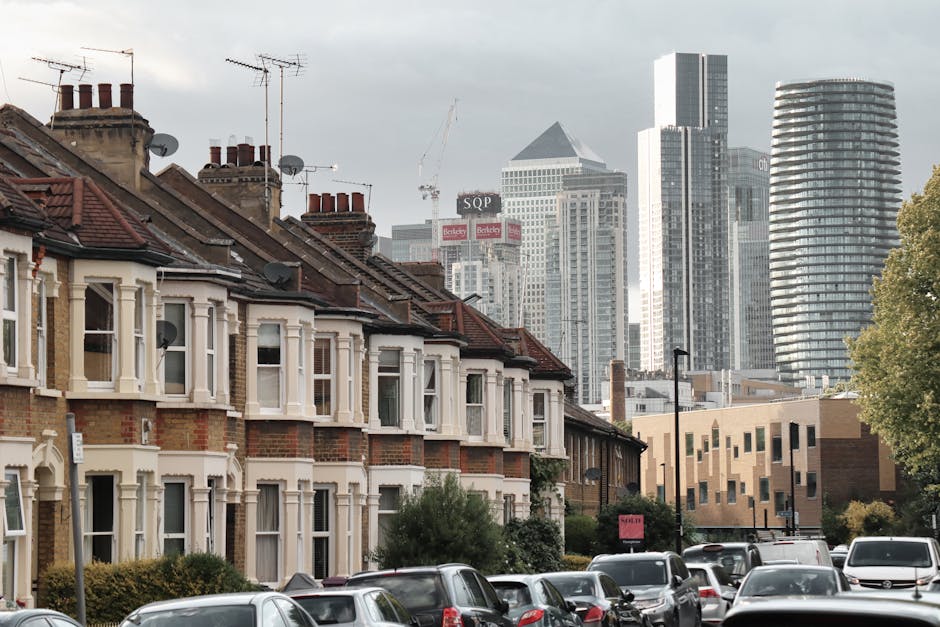
Shepherd's Bush conservation rules for White City moves
Posted on 29/07/2026
Shepherd's Bush conservation rules for White City moves: a practical guide for careful, compliant removals
If you are moving in or around White City, the phrase Shepherd's Bush conservation rules for White City moves can sound more complicated than the move itself. In fairness, it often is. Conservation areas, restricted streets, estate access, parking controls, and building-specific rules can turn an otherwise straightforward removal into a bit of a juggling act. The good news? Once you understand the basics, it becomes much easier to plan properly, avoid last-minute friction, and keep everything moving on the day.
This guide explains what those rules usually mean in practical terms, why they matter, and how to work around them without causing trouble for yourself, your neighbours, or your removals team. You will also find step-by-step guidance, a realistic example, a checklist, and answers to common questions people ask before moving in this part of West London. Let's make it less stressful and a lot more predictable.
Why Shepherd's Bush conservation rules for White City moves matters
Moving is already a busy day. Add conservation-area restrictions into the mix and you can quickly run into avoidable headaches. In White City and the wider Shepherd's Bush area, local streets may be narrow, parking can be tight, and some properties sit within or near protected streetscapes where vehicle positioning, loading, and timing need a bit of extra care. That matters not just for convenience, but for keeping neighbours happy and protecting buildings, pavements, boundary walls, railings, and trees from accidental damage.
There is also a practical side that people overlook: a move that ignores local conditions often takes longer. A van waiting on the wrong side of a road, a delay finding legal parking, or a building manager refusing access because a booking was not made can slow the whole day down. Nobody wants to carry a wardrobe twice because the lift slot was missed. Not fun. Not cheap either.
For many White City residents, the real issue is not the conservation label itself, but the knock-on effect: where the vehicle can stop, how long it can stay, whether loading bays are available, and whether the route chosen will suit the building and street layout. If you are planning a flat move, a student move, or a full house relocation, those details matter just as much as packing boxes.
To make the whole process smoother, many people also revisit broader move planning advice such as decluttering before moving day and packing efficiently for a house move. That may sound basic, but fewer items means fewer trips, less waiting, and less pressure on access rules. Simple, yes. But extremely effective.
How Shepherd's Bush conservation rules for White City moves works
At a practical level, conservation rules affect how your move is scheduled and carried out rather than changing the fact that you can move. The main point is that some streets and properties have extra sensitivity around vehicle access, noise, obstruction, or visual impact. In plain English: you need to be more thoughtful about where the vehicle parks, how long loading takes, and whether anything about the move could disturb the area.
In White City, that often connects with three things:
- Street access - whether the van can safely stop close enough to the entrance without blocking traffic or crossing protected features.
- Parking or loading controls - whether there are timed bays, permit rules, or estate-specific arrangements.
- Building management rules - whether the property requires booking a lift, protecting floors, using service entrances, or limiting moving hours.
In practice, the conservation aspect is only one part of the picture. A move can be perfectly compliant with local street rules and still fail if the building manager says the lift is unavailable until 10:00. That is why local moves work best when you treat the street, the building, and the schedule as one joined-up job.
One of the most useful habits is to check the route and the parking conditions before moving day, not on the day. If a narrow road or awkward corner is involved, it helps to think ahead about vehicle size and unloading strategy. Our experience is that the best moves are the ones where someone has asked, "Where exactly will the van stand?" before anyone starts lifting a sofa.
For routes and access issues that crop up again and again in the area, these articles can help shape your plan: White City estate access, parking, and timings and narrow-street parking solutions in White City. They are especially useful if your property is tucked into a tighter residential road.
Key benefits and practical advantages
Following conservation-aware moving practices is not just about avoiding complaints. It gives you a better move from start to finish. Here is what you gain when the planning is done properly.
- Fewer delays because the vehicle, timing, and access plan are aligned.
- Lower risk of damage to walls, paving, communal areas, and listed or character features.
- Better neighbour relations because noise and obstruction are handled considerately.
- More accurate quotes because the moving team can estimate time and access realistically.
- Less stress on move day, which honestly makes a huge difference after a week of packing.
There is another advantage that is easy to miss: good planning helps you choose the right service. A compact flat move, a same-day relocation, or a heavier furniture job all place different demands on the route and loading setup. If you know the rules and access conditions in advance, you can match the job to the right vehicle and crew rather than improvising under pressure.
That becomes especially helpful for awkward items. For instance, bulky furniture may require careful handling to avoid damage in tighter access points, which is why planning alongside bulky item removals in White City can save a lot of back-and-forth on the day. A sofa that fits the van is only half the story; getting it to the van without scraping a hallway is the other half.
Who this is for and when it makes sense
This guide is useful if you are moving from a flat, maisonette, terraced property, student accommodation, or managed block in White City or nearby Shepherd's Bush. It is also relevant if you are a landlord, letting agent, building manager, or anyone helping someone move into a conservation-sensitive area.
You will benefit most if any of these sound familiar:
- Your street has limited parking or timed restrictions.
- Your building has a narrow entrance, lift booking, or service access rules.
- You are moving furniture through shared communal space.
- Your move involves early morning, evening, or same-day timing.
- You are trying to keep disruption low for neighbours.
Students often need this kind of guidance too, especially where deadlines and tenancy handovers overlap. If that is your situation, it is worth looking at student removals in White City alongside your access plan. Student moves can look small on paper and then turn messy very quickly if parking or lift access is not sorted.
Truth be told, if your move involves any kind of awkward road layout, older property, or controlled access, this topic matters more than most people expect. The least glamorous planning often saves the most time.
Step-by-step guidance
Here is a practical way to handle a move where Shepherd's Bush conservation rules and White City access conditions are part of the equation.
- Identify the property type and location. Note whether you are in a conservation-sensitive street, managed block, estate road, or standard residential road.
- Check parking and loading conditions. Look at whether short-stay loading, permits, or timed restrictions apply. If the street is tight, factor in space for the vehicle to manoeuvre.
- Speak to building management early. Confirm lift booking, access times, protective coverings, entry codes, and any required notices.
- Match the vehicle to the access. Sometimes a smaller van is easier than a larger one. Sometimes the opposite is true if you want fewer trips. It depends on the street.
- Prepare the furniture and boxes. Dismantle where needed, label clearly, and keep pathways clear.
- Book the move for the right time. Avoid peak congestion if possible, and leave a margin for parking or lift delays.
- Protect the property. Use floor coverings, corner guards, and wrapping for vulnerable items.
- Keep a contact list handy. Building manager, landlord, mover, and anyone with keys should all be easy to reach.
- Do a final walk-through. Check nothing is left in cupboards, lofts, sheds, or behind radiators. People forget those spots all the time.
If you want the move to feel calmer, build the plan in around your actual items, not an ideal version of the move. A bed frame, a freezer, and a heavy mirror each create different access needs. For preparation ideas, moving your bed and mattress safely and storing a freezer when not in use are both surprisingly relevant if you are staging the move in parts.
A small but useful habit: keep one box labelled "first hour" with essentials, keys, kettle bits, phone chargers, and basic tools. It sounds obvious. Yet on moving day, obvious things go missing in the chaos. Every single time.
Expert tips for better results
These are the practical details that tend to make a real difference on conservation-aware White City moves.
Use the shortest safe carrying route
Do not assume the front entrance is the best route. In many blocks, a side entrance or service access point reduces risk and keeps you from blocking a busy pavement. Shorter does not always mean safer, though, so choose the route that balances distance, width, and ease of lifting.
Check the van size against the street
A bigger van can be efficient, but if it struggles to park legally or safely, it can create more trouble than it solves. On the other hand, a smaller vehicle may mean more trips. There is no perfect answer every time. That is why experienced movers tend to think in terms of access, not just capacity.
Build in time for the awkward bit
The awkward bit is usually the first ten minutes on site. Finding the slot, speaking to a porter, carrying a sofa around a tight corner, or waiting for a lift can eat time fast. If your schedule allows, build a cushion into the day rather than planning for a perfectly smooth start. That way, if things go well, you are ahead.
Protect the communal areas properly
In managed buildings, a few damaged tiles or scuffed walls can lead to complaints or charges later. Floor runners, blankets, and corner protection are worth taking seriously. Nobody wants the move day to become the "who scratched the wall?" day.
Keep communication very simple
Short messages work best. Confirm the arrival window, the parking location, the lift booking, and any access codes. It sounds a bit over-managed, but moving day is not the time for guesswork.
If you are lifting anything awkward yourself, it can help to refresh safe handling techniques before you start. A quick read of kinetic lifting basics or solo heavy lifting tips can remind you where people usually go wrong. And yes, the answer is often "trying to be a hero".

Common mistakes to avoid
Most moving problems in this area are preventable. The same mistakes come up again and again.
- Leaving parking until the day itself. By then, you are already under pressure.
- Assuming access will be fine because it was fine once before. Conditions change, and so do neighbours, works, and permits.
- Underestimating the time needed for shared entrances and lifts. It always takes longer than the dream version in your head.
- Not measuring furniture. A sofa or wardrobe that seems fine on paper may be awkward in a narrow stairwell.
- Ignoring house rules or management instructions. This can cause delays, complaints, or extra fees.
- Forgetting about move-out cleaning and disposal. Rubbish left behind can become a problem very quickly.
That last point is especially common with end-of-tenancy moves. If you are leaving a flat or house, it is worth planning for a final clean as carefully as the move itself. This is where cleaning up before you move out becomes part of the moving plan rather than an afterthought.
Also, do not overload one person with all the lifting decisions. Even the best-laid plan can wobble if everyone assumes someone else sorted the parking. Classic moving-day confusion. Happens all the time.
Tools, resources and recommendations
You do not need a complicated toolkit to move well, but a few practical items and habits make life much easier.
- Measuring tape for doors, hallways, stairs, lifts, and large furniture.
- Protective wrapping such as blankets, stretch wrap, and cardboard corner guards.
- Labels and markers to keep boxes and item destinations clear.
- Floor protection for communal areas, especially in managed or older buildings.
- Basic tools for dismantling beds, shelves, and fittings.
- A written access plan with times, parking details, and contact names.
If you are still at the planning stage, the most useful resource is often a plain checklist. Good packing practice helps too, especially where timing is tight, so reading moving quotes carefully can also stop unpleasant surprises later. Sometimes the cheapest quote looks fine until you notice what it does not include.
It can also help to think about temporary storage if your move dates do not line up neatly. In those cases, storage in White City can be a sensible bridge rather than rushing everything into one day. Not glamorous, but practical. And practical wins.
Law, compliance, standards, or best practice
Without getting lost in legal jargon, the safest approach is to treat conservation-related moving work as a matter of careful compliance and good practice. That means checking local parking and loading rules, following building instructions, and avoiding damage or obstruction. If a property sits within a conservation area or protected streetscape, additional care may be expected around vehicle placement, timing, and any activity that could affect the appearance or condition of the surroundings.
From a moving perspective, the best practice standard is straightforward:
- Plan access before the moving date.
- Use the smallest suitable disruption footprint.
- Protect communal and external surfaces.
- Respect time restrictions and resident quiet periods.
- Keep records of access approvals, bookings, or instructions where relevant.
For removals teams, insurance and safe handling matter too. A professional crew should be able to explain how they protect items, property, and people during the move. If you are comparing providers, it is sensible to look at their stated insurance and safety approach and broader health and safety policy. That is not about box-ticking; it is about knowing someone has actually thought through the risks.
In a well-run move, compliance is not a separate task. It is woven through the whole day.
Options, methods, or comparison table
Different White City moves call for different approaches. The "best" method depends on the building, access, and how much you are moving. Here is a simple comparison.
| Method | Best for | Strengths | Trade-offs |
|---|---|---|---|
| Small van and multiple trips | Very tight streets, smaller flats, limited parking | Easier to position, often less disruptive | Can take longer and require more handling |
| Larger van with a planned loading window | Bulkier loads, quicker turnaround, fuller moves | Fewer trips, more efficient if access is straightforward | Needs more space and better timing |
| Managed move with building booking | Blocks, estates, lift-controlled properties | Better coordination and less conflict with neighbours | Requires more admin before the move |
| Staged move with storage | Renovations, delayed handovers, date gaps | Reduces pressure on the main moving day | Extra handling and storage planning needed |
There is no one-size-fits-all answer. If your property sits on a narrow road, a smaller van might be the smarter choice even if it means a longer job. If the building has a reserved loading bay, then a bigger vehicle and a tighter time window may be ideal. The point is to choose the method that fits the location, not the other way round.
Case study or real-world example
Here is a realistic example, based on the kind of move people often face in White City.
A couple moving from a fourth-floor flat near a managed residential block had a mix of furniture: a bed frame, two sofas, boxed kitchen items, and a few fragile pieces. On paper, it looked straightforward. But the building had a booked lift system, the street had limited stopping space, and a neighbouring property was having maintenance work, which made the entrance area busier than usual.
Instead of turning up and hoping for the best, they did three things well: they confirmed the lift slot, measured the biggest items in advance, and arranged the van timing to avoid the busiest part of the road. They also packed a clear essentials box and separated fragile items from the bulky pieces. As a result, the move was not perfect - a sofa corner still needed a careful twist at the doorway - but it was calm, controlled, and finished without complaints from neighbours or building staff.
That is the real lesson. Most successful moves are not magical. They are just well prepared. A bit boring, maybe. But in moving, boring is often brilliant.
Practical checklist
Use this checklist a few days before moving day. Tick it off slowly. No need to rush it.
- Confirm whether your street or property falls within a conservation-sensitive area.
- Check parking, loading, and timing restrictions for the road.
- Speak to building management about access, lift bookings, and protection requirements.
- Measure large furniture and the tightest points on the route.
- Decide whether you need a small van, larger van, or staged move.
- Pack boxes clearly and label fragile items.
- Prepare floor protection, blankets, and wrapping.
- Set aside keys, access codes, and contact numbers.
- Plan for cleaning, waste removal, and final room checks.
- Keep essentials and valuables separate from the main load.
If you are moving at short notice, you may also want to look at same-day emergency moves in White City so you know what a compressed timeline usually involves. And if your move takes you through busier local streets, Wood Lane move tips can help you think through the route.
Conclusion
Shepherd's Bush conservation rules for White City moves are really about being considerate, organised, and a bit strategic. Once you treat the street, the building, and the move as one connected plan, most of the stress drops away. The move becomes less about reacting and more about simply following the route you have already mapped out.
In the real world, that means checking access early, choosing the right vehicle, protecting shared spaces, and giving yourself enough time to deal with the unavoidable surprises. Because there will always be a small surprise. Usually something simple, like a lift being busy or a sofa catching on a doorway for a second longer than expected. But that is manageable when the basics are right.
Get a free quote today and see how much you can save.